Aussie Pooch Mobile Dog Wash and Grooming Service Offers...
Hydrobath in warm fresh water
Flea & tick treatments
Nail clipping
Massaging brush
Ears & eyes cleaned
Blow drying
Deodorising to ensure your pooch smells great
And a free delicious dog treat
In addition to the mobile dog wash and grooming service, Aussie Pooch Mobile also offer an easy shed service to help remove excess hair, grooming, trimming, clipping (selected areas), aromacare, dog massage, worming, medicated dog washes, dog facial plus friendly helpful advice.
Also available for your convenience is a selection of pet products such as toys, treats and health products.
You can be confident your dog is in good hands with Aussie Pooch Mobile’s experienced operators who really do care about your dog as if it was their own.
Please Welcome Our Newest Franchisees - Great To Have You As Part Of Our Growing Team!
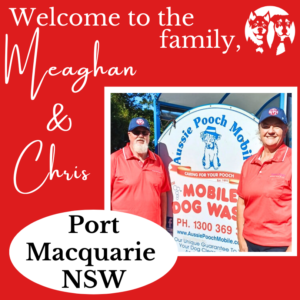
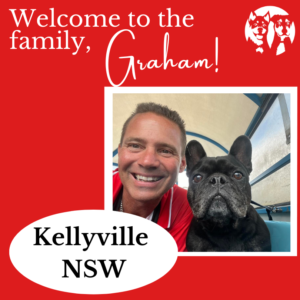
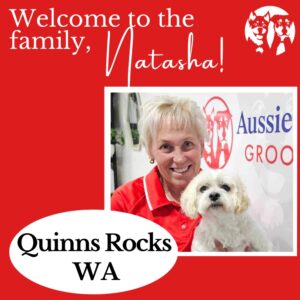
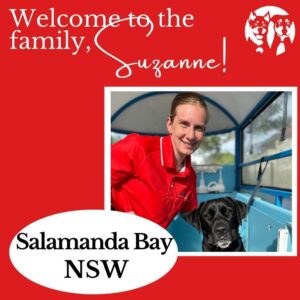
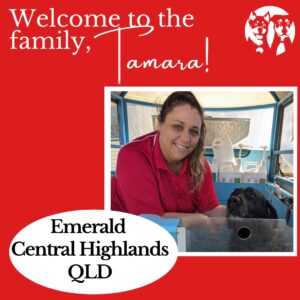
Have you been dreaming of a career caring for gorgeous four legged friends, but don't know where to start?
Join one of our friendly franchisee's out on road, we call it a Discovery Day!
This is an obligation free day where you can experience for yourself just how rewarding running your own Aussie Pooch Mobile business can be.
Aussie Pooch Mobile Dog Wash and Grooming offers franchises throughout Brisbane, Sydney, Melbourne, Perth, Canberra, Adelaide, Hobart, Darwin and other areas throughout QLD, NSW, VIC, WA, ACT, SA, TAS & the NT.
We’re proud to announce that Aussie Pooch Mobile Dog Wash has achieved a top 10 ranking in all entered categories
Innovation (2nd), Support (3rd) and Brand (3rd).

"I have been with Aussie Pooch for almost 9 years and am very happy with the support, management and on going training we get."
"The support that we have is great, everything is easy and accessible. Whatever we require for our business is in the one spot, we are really looked after and the only thing we need to focus on is building our business the way we want to"
"The franchise system is very supportive and is a good way to enter the industry."

Register now for our next Aussie Pooch Mobile Franchise Information Webinar!
Take the first step towards building a rewarding business with a proven successful franchise system.
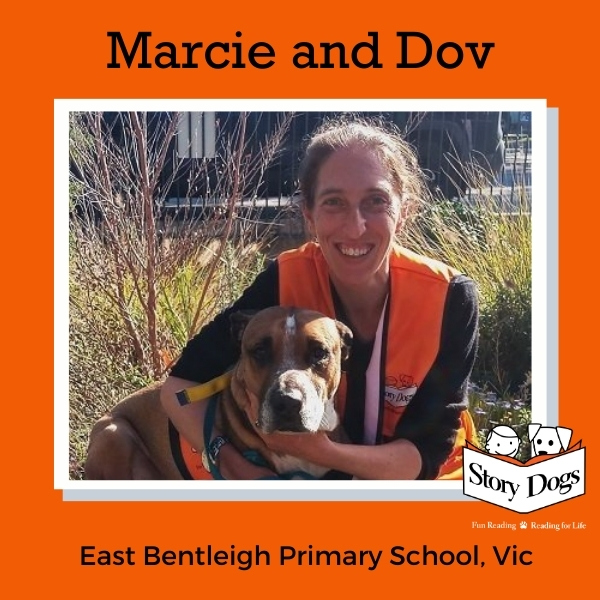
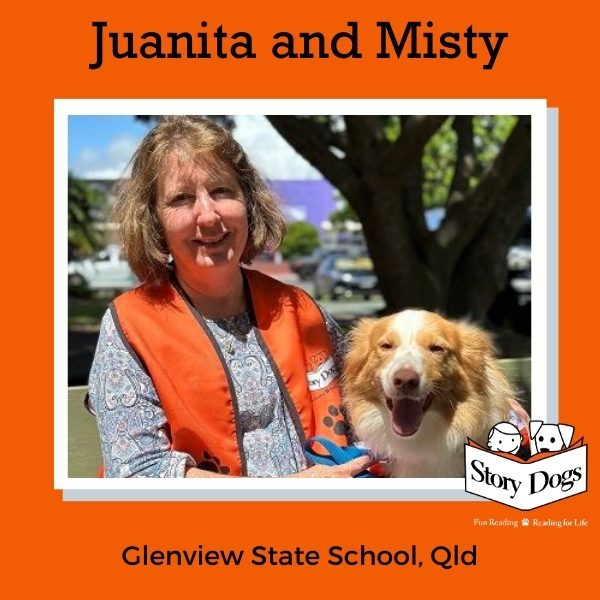
Aussie Pooch Mobile are excited to be a part of the solution to improving educational outcomes for children all over Australia.
We now proudly sponsor 5 Story Dogs teams nationally with more to come!
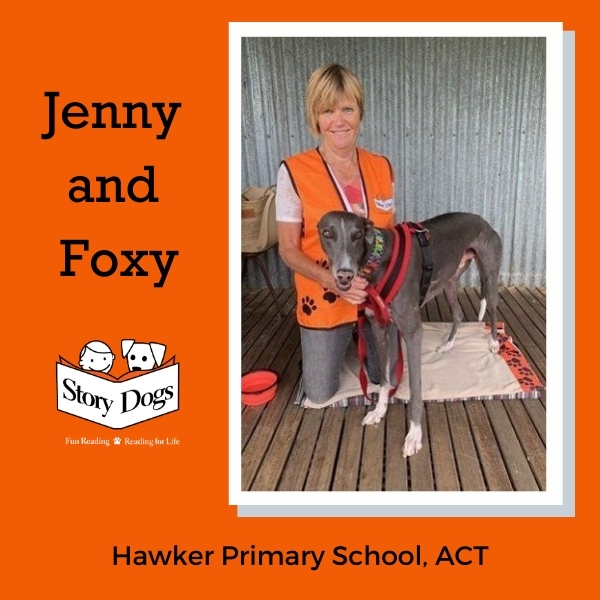
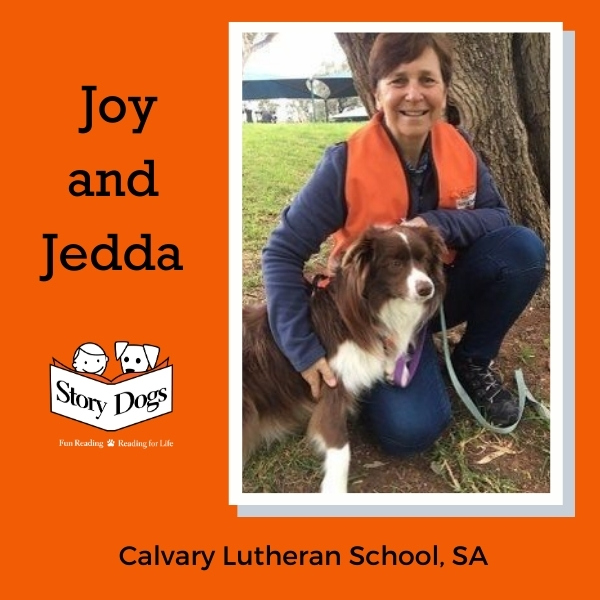
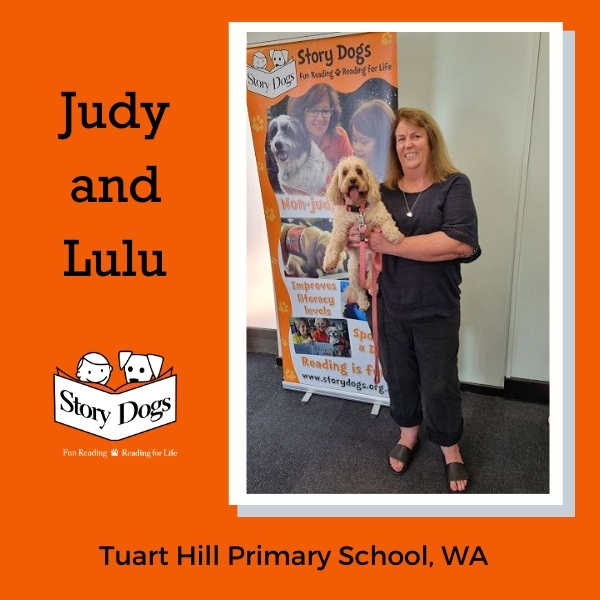
We also sell our environmentally friendly Pooch Perfumes to help keep your pooch smelling wonderful for longer. A select range of your dog's favourite treats including our healthy range of Aussie Pooch treats. When you browse our online shop you will also find grooming tools, dog toys, health care products, plus more. We are very excited to also announce that we are now selling KONG toys!
Being one of only a handful of stockists of these incredible strong dog toys, we are honoured to be able to bring these toys to your pooch. Simply order directly from your local Aussie Pooch Mobile groomer or via our online shop. Only the best for your best friend!